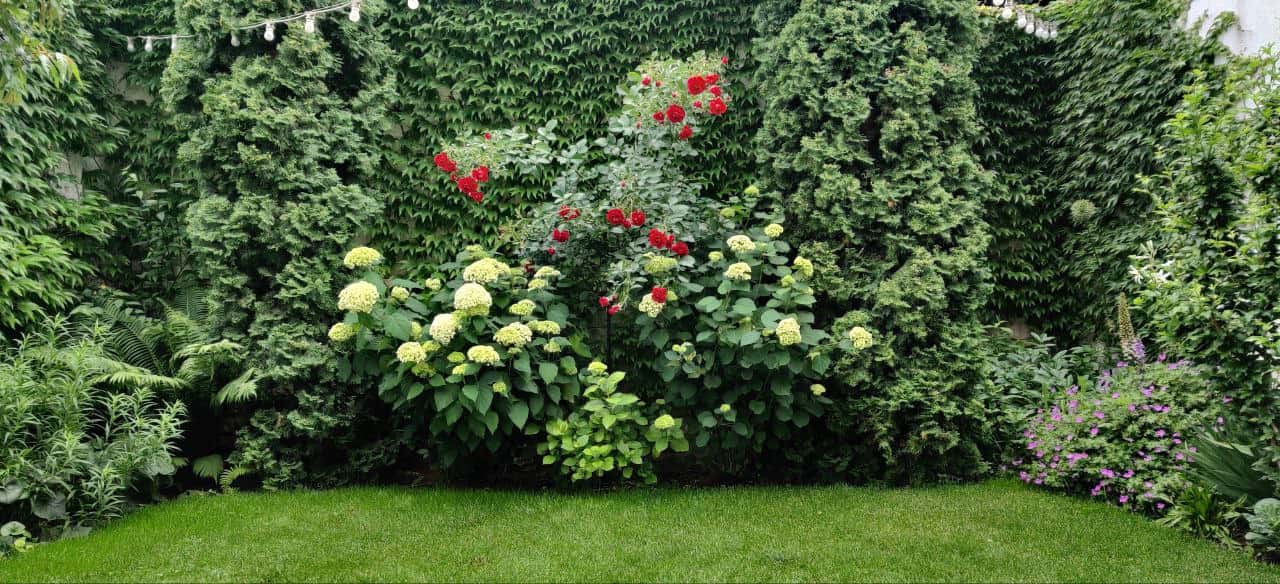
Planting and flower care
from 4,500 MDL / flower bed
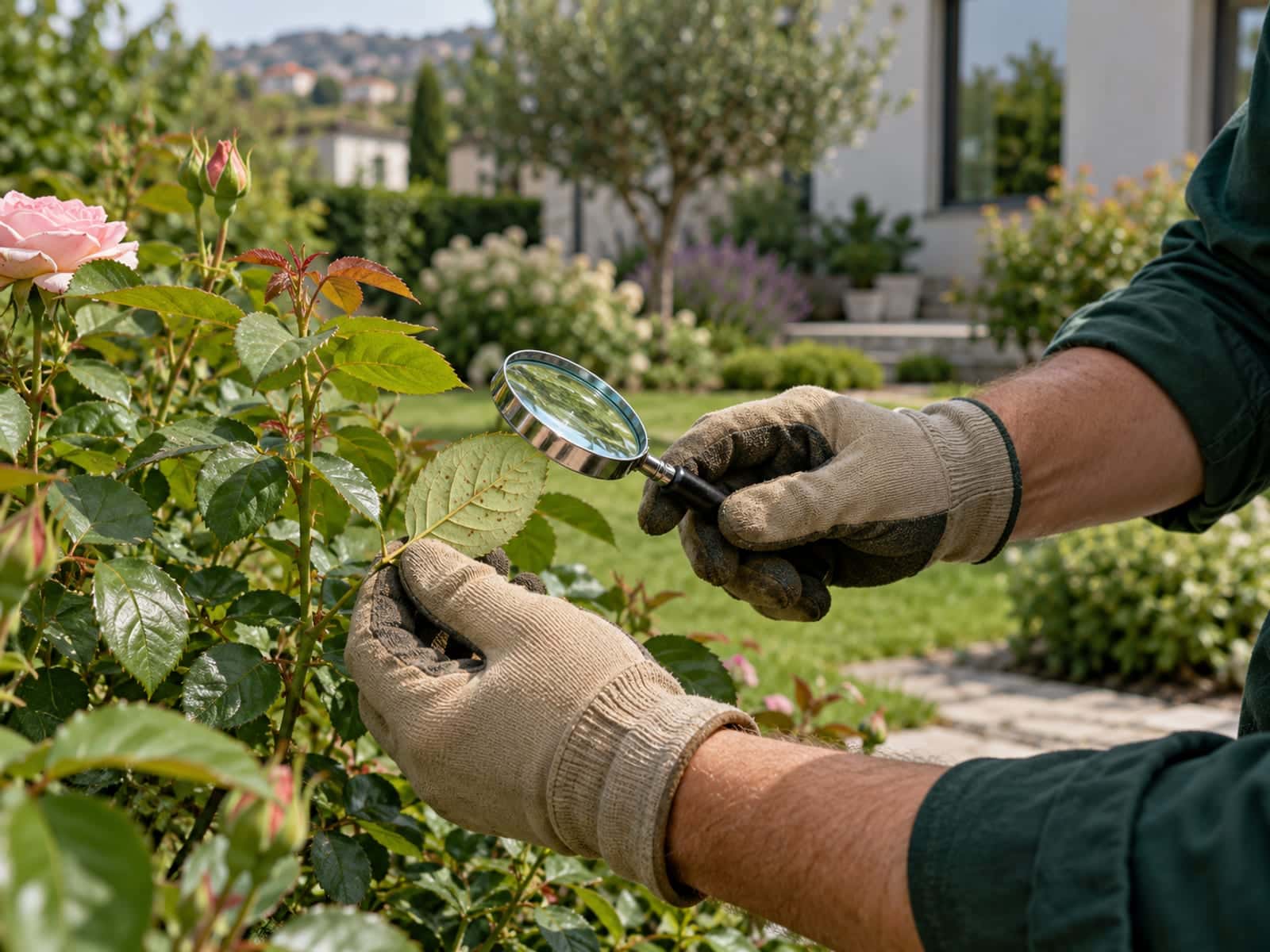
We pinpoint what is affecting your plants and apply the right treatment: biological wherever possible, chemical only when necessary.
Starting price
1,500MDL / treatment
For a standard yard, including diagnosis, treatment and a follow-up visit after 14 days. With a seasonal contract (4–6 visits a year), the rate per visit drops by ~30%.
Integrated pest management (IPM) means we don't reach straight for the sprayer. The first line is prevention: correct watering, enough space between plants for air to circulate, resistant varieties, and mulch that reduces plant stress. The second line is biological: Bacillus thuringiensis products for caterpillars, potassium soap for aphids, horticultural oil for scale insects. Only when pest pressure passes the threshold do we use approved chemical products, chosen for selectivity and a short residual period.
We identify the exact cause: fungal disease, virus, insects, nutrient deficiency or water stress. Many “diseases” are really watering mistakes.
A written recommendation: what we apply, when and at what concentration. If it is a systemic disease (fire blight, fusarium wilt), we also explain which plants have to be removed.
Spraying with professional equipment, with protection for pets, children and bees. We avoid spraying on windy days or close to flowering.
A visit to check how well the treatment worked. If the problem persists, we adjust the treatment. We document everything in your garden's history.
Yes, as long as the waiting period is respected (1–6 hours depending on the product). We prefer biological solutions that have no restrictions, and we clearly flag chemical treatments with a longer waiting period.
For light preventive treatments, yes, and we can guide you by phone. For systemic diseases or heavy infestations, a wrong diagnosis costs more than our consultation. Using the wrong product can make the problem worse.
Yes. The standard contract includes 4–6 visits a year with a full preventive calendar, monitoring at every visit and a quick response to problems between visits. The rate per visit is ~30% lower than a one-off call-out.
Yes, for small orchards (under 1 ha) and home kitchen gardens. For commercial farms we recommend partners who specialise in plant health consulting.
from 4,500 MDL / flower bed
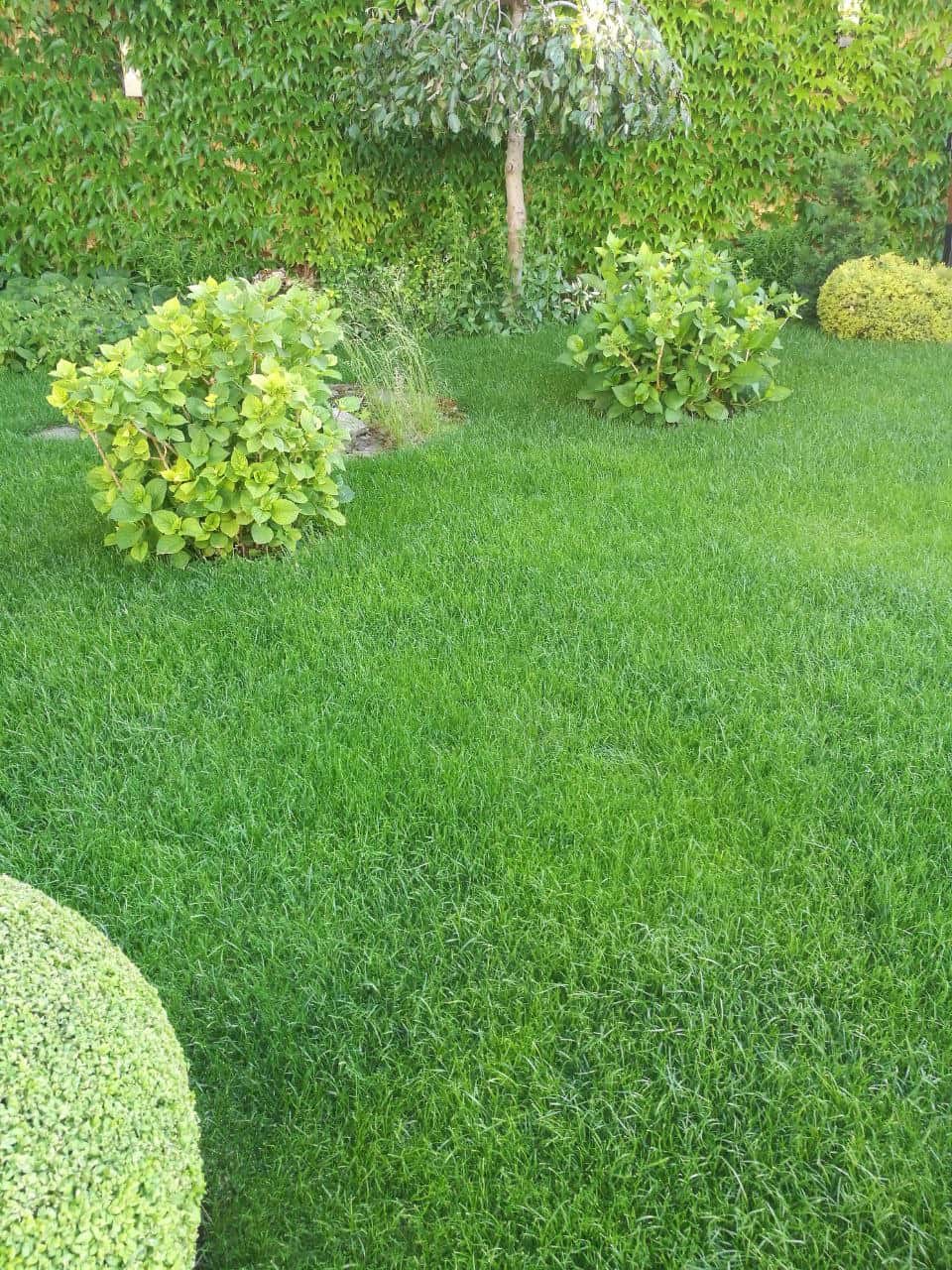
from 120 MDL / m²
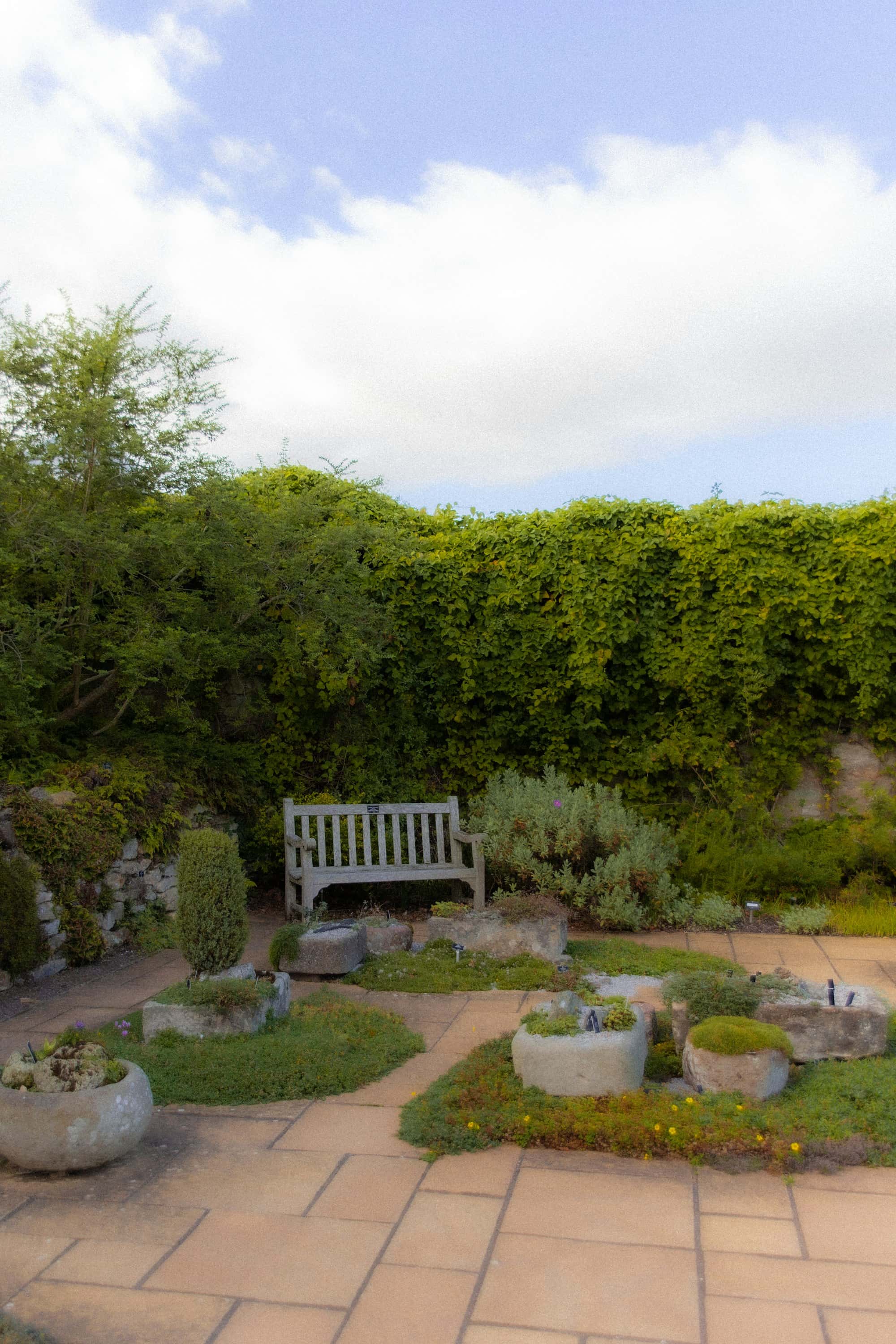
from 350 MDL / m²